Cereals and starches
Corn
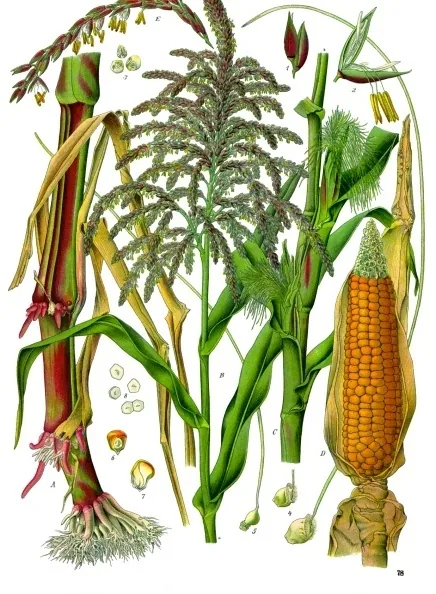
Average
Description
Cereal often used as filler.
Benefits
Cheap energy source
Risks
Potential allergen, low nutrition, often GMO
History and origin
Corn entered pet food in the 1950s when the American postwar grain surplus needed outlets. Kibble was invented in the US in 1956 by Purina (Dog Chow), and corn became its main carbohydrate base because it was cheap, abundant, and extruded well under heat and pressure. For 60 years, corn was the single largest ingredient in North American pet food by weight. The grain-free movement that started around 2010 put corn under attack; today it is largely absent from premium brands but still dominates supermarket budget lines (Pedigree, Beneful, Friskies).
Natural diet: who eats this in the wild?
Neither dogs nor cats evolved to eat corn. Wild canines will occasionally scavenge grain from human settlements but in wild conditions they eat roughly 85 percent animal matter. Cats are obligate carnivores and have no metabolic need for corn whatsoever - their digestive tract lacks the enzymes to efficiently break down starchy cereals. Giving a cat 30 percent corn kibble is the biological équivalent of feeding a human a diet that is 70 percent grass.
Why this ingredient is used
Corn is used for three reasons that are all economic, not nutritional. First, it is the cheapest source of calories per kilogram of any major pet food ingredient. Second, it extrudes perfectly - corn starch gelatinises cleanly in the kibble machine, giving the final product its shape, texture and shelf life. Third, corn gluten meal is a protein concentrate at around 60 percent crude protein, which lets manufacturers boost the protein percentage on the label without adding expensive meat. This is known as protein gilding. A bag labelled 26 percent protein might contain 12 percent meat protein and 14 percent corn gluten - technically compliant, nutritionally inferior for carnivores.
Controversies and what to watch for
Corn is one of the most common food allergens in dogs (ranking 4th behind beef, dairy, and chicken in peer-reviewed studies). Cats show corn intolerance less frequently, but their low carbohydrate tolérance makes high-corn diets a long-term driver of feline diabetes and obesity. The glycemic index of corn kibble is elevated, creating insulin spikes that over years contribute to metabolic disease. A separate concern: US corn is around 92 percent GMO, which some European buyers want to avoid - most European-manufactured pet food uses non-GMO corn by default. Mycotoxin contamination (aflatoxin, fumonisin) in bulk corn is a documented and regular issue; 2005 and 2020 saw large pet food recalls in the US due to aflatoxin poisoning from corn-based kibble.
Species adaptability
Avoid for
- Cats
- Ferrets
