Proteins
Fresh chicken
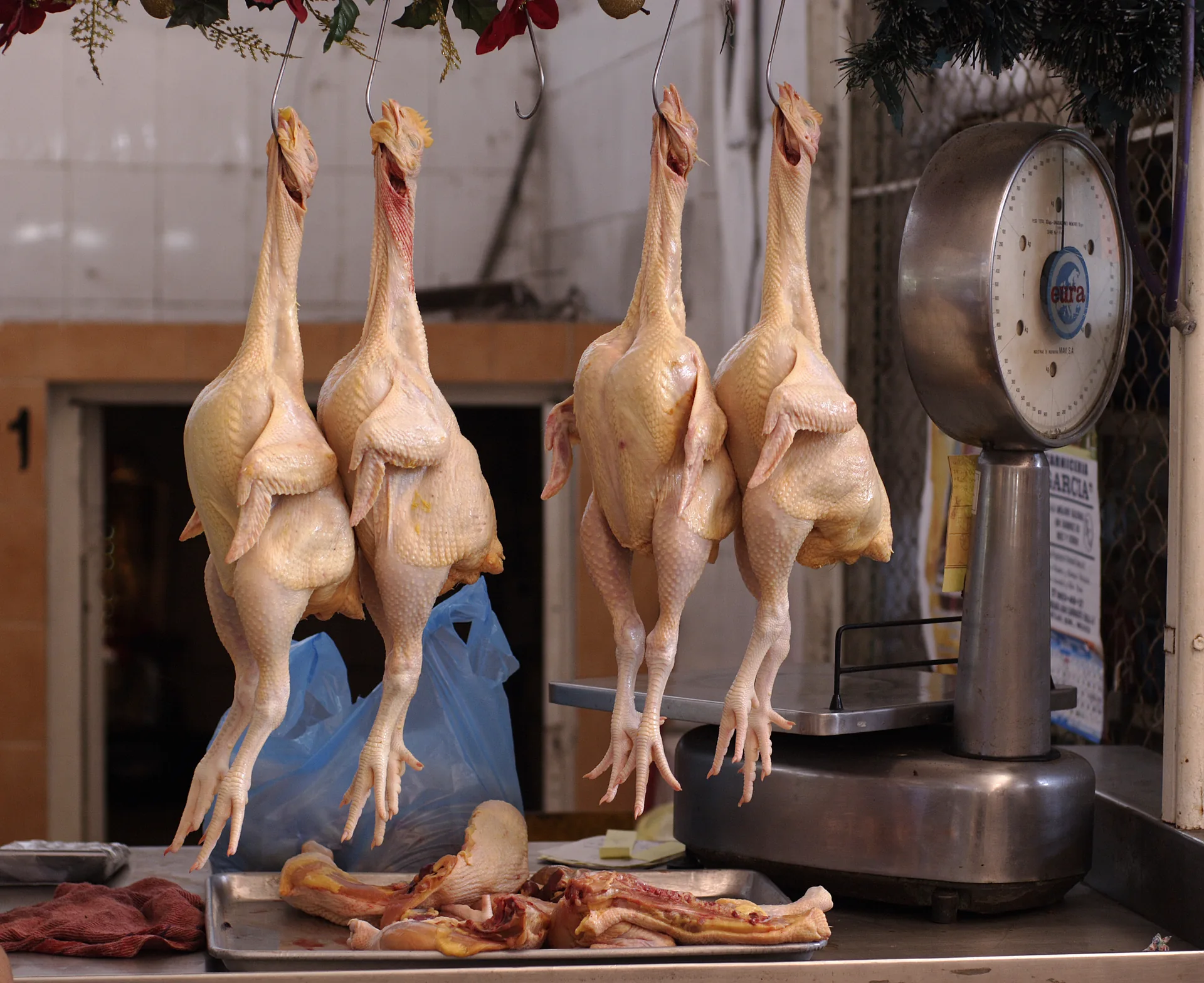
Excellent
Description
Fresh chicken meat, quality protein source.
Benefits
Very palatable, high biological value proteins
Risks
Loses volume when cooked (70% water)
History and origin
Fresh chicken is the single most common animal protein in dog and cat food worldwide, a position it has held since the 1960s when post-war poultry farming scaled up and chicken became the cheapest source of quality animal protein. Before that, most pet food was built around beef scraps, horse meat, and by-products from the human meat industry. The switch to chicken drove the entire economics of the pet food category - a bag of quality kibble is affordable today primarily because chicken farming is.
Natural diet: who eats this in the wild?
Wild wolves and wild cats both prey on ground-dwelling birds when available, but birds are a smaller part of their diet than rodents and ungulates. Domestic dog and cat ancestors ate chicken-like prey regularly but not as a staple. The modern chicken (Gallus gallus domesticus) is itself a domestication from the red junglefowl of Southeast Asia, so in a real sense, modern pets are eating a food their ancestors never encountered in the wild - a human invention roughly 4000 years old.
Why this ingredient is used
Chicken offers the ideal protein-to-price ratio in pet food. The meat has about 20 to 22 percent protein raw, rising to around 65 percent after drying and concentrating. Chicken fat is highly palatable and easy to digest. Chicken is hypoallergenic for most dogs at first exposure - though after years of daily feeding, it can become an acquired allergen (chicken intolerance affects an estimated 15 percent of adult dogs). Crucially, chicken is flavor-neutral, meaning it takes added flavours, vegetables, and supplements without clashing. This is why it is the default base for 60 percent of all commercial dry dog food.
Controversies and what to watch for
Mass-market chicken farming has become the single biggest welfare concern in the pet food supply chain. European Union standards (Broiler Directive 2007/43) set a maximum density of 42 kg of chicken per square meter - meaning roughly 23 birds packed into one square meter for the final week before slaughter. Antibiotic use in chicken farms remains high in several countries. Some premium pet food brands (Lily's Kitchen, Yarrah, Naturea) source only free-range or organic chicken; most mainstream brands buy on commodity markets and do not disclose farming conditions. As a buyer, looking for labels like Label Rouge (France), RSPCA Assured (UK), or Bio Europeen gives you a meaningful welfare upgrade.
Species adaptability
Good for
- Dogs
- Cats
- Ferrets
Avoid for
- Rabbits
- Guinea pigs
