Proteins
Insects (Black soldier fly)
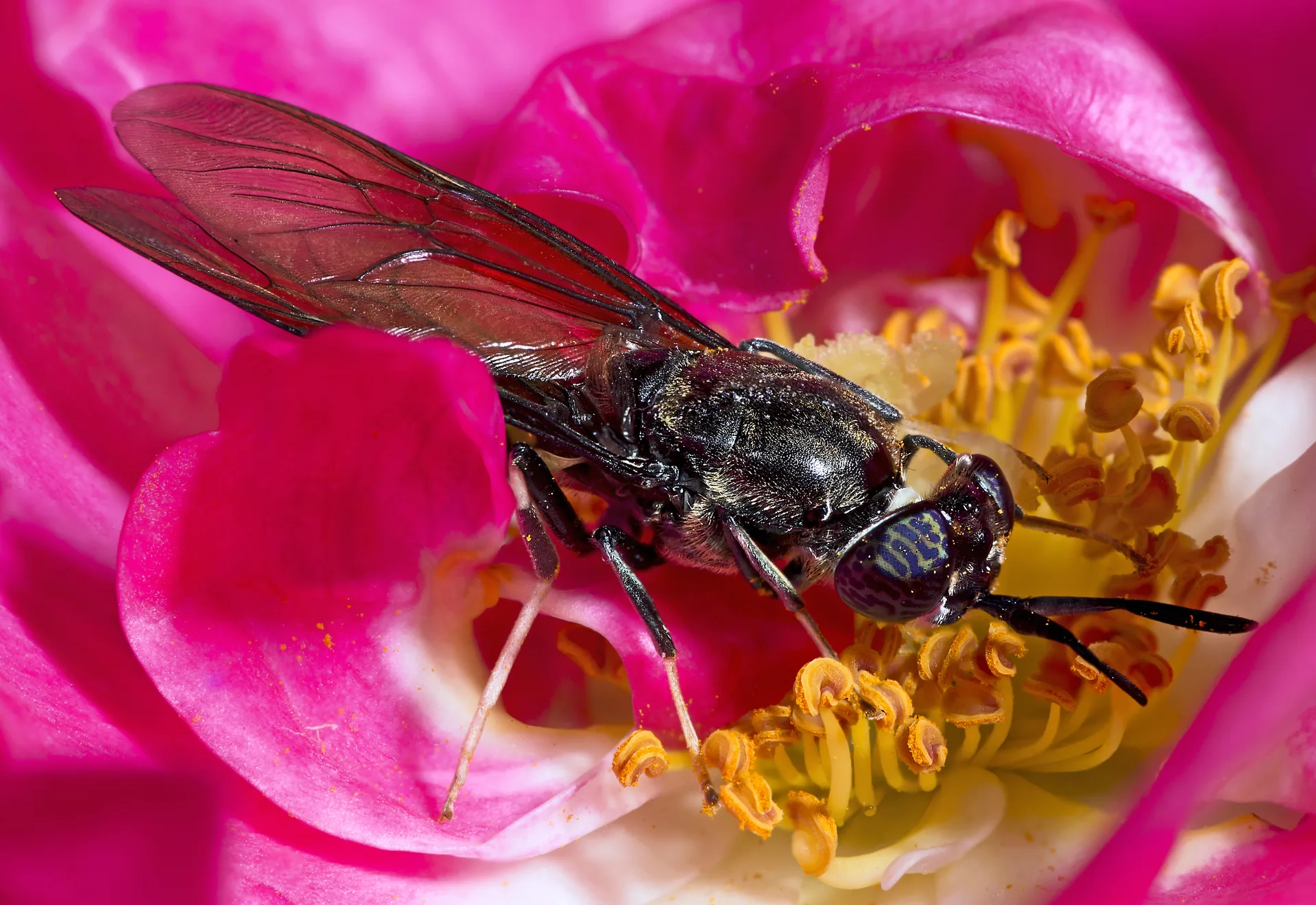
Excellent
Description
Sustainable and hypoallergenic insect protein.
Benefits
Ecological, hypoallergenic, rich in amino acids
Risks
Variable consumer acceptance
History and origin
Insect protein entered commercial pet food in 2015 in Europe when Yora Pet Foods (UK) launched the first black soldier fly larvae based kibble for dogs. The technology came from aquaculture, where insect meal had been replacing fish meal since 2010 due to pressure on wild fisheries. The European Union formally authorised insect protein for pet food in 2017. As of 2025, around 30 European brands offer insect-based dog or cat food, and the category is growing 20 percent per year.
Why this ingredient is used
Three reasons. First, environmental: producing 1 kg of insect protein requires 90 percent less land, 85 percent less water, and emits 95 percent less greenhouse gas than producing 1 kg of beef protein. For climate-conscious owners, this is the lowest-footprint animal protein on the market. Second, novel protein: insects are not chicken, not beef, not any of the traditional allergens, so dogs and cats with acquired food intolerances react well to the first exposure. Third, amino acid profile: black soldier fly larvae have a complété amino acid profile including high taurine and methionine - the two amino acids most critical to cats.
Controversies and what to watch for
Adoption is still blocked primarily by the ick factor. About 40 percent of pet owners surveyed in 2024 said they would not feed insects to their dog or cat regardless of the nutritional profile. This is purely cultural - the insect larvae are ground into powder and look identical to any other meal on the label. A secondary concern is pricing: insect protein still costs 30 to 40 percent more per kilogram than chicken meal, though the gap is closing as production scales. Nutritionally, insect-based diets test as good as or better than chicken-based diets in published studies.
Species adaptability
Good for
- Dogs
- Cats
- Birds
- Reptiles
