Proteins
Salmon
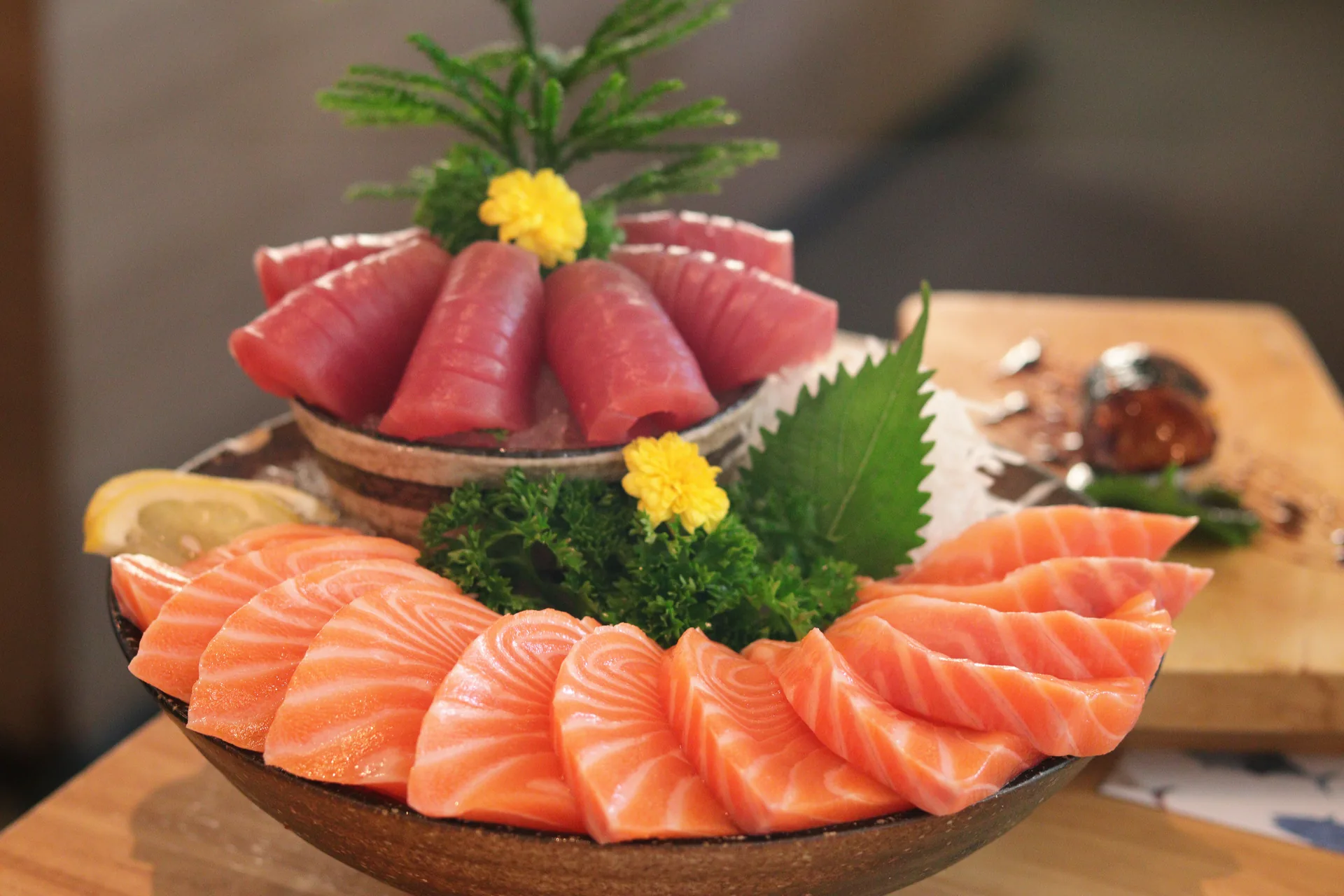
Excellent
Description
Fatty fish rich in omega-3.
Benefits
Anti-inflammatory omega-3, good for skin and coat
Risks
Possible heavy metal accumulation
History and origin
Salmon entered commercial pet food in the 1980s, first as a niche hypoallergenic alternative for dogs with chicken sensitivities, then as a flagship ingredient of the grain-free wave that started around 2005. Orijen was one of the first brands to feature named wild-caught salmon prominently on its label in the mid-2000s, setting a standard later followed by Acana, Wellness, Canidae and most premium brands.
Natural diet: who eats this in the wild?
Wild canines do not typically hunt salmon, but coastal grey wolves on the Pacific Northwest coast feed on spawning salmon for up to 25 percent of their autumn calories. Bears, otters, eagles, and smaller carnivores all consume salmon during spawning season. For domestic cats, salmon is not a natural prey (cats are solitary land hunters) but the strong smell triggers a powerful feeding response - your cat's reaction to salmon is opportunistic, not ancestral.
Why this ingredient is used
Pet food manufacturers use salmon for four reasons. First, the protein is highly bioavailable - a dog or cat absorbs 90 to 95 percent of the amino acids vs around 75 percent for plant protein. Second, salmon is naturally rich in omega-3 fatty acids (EPA and DHA), which reduce inflammation, support brain development in puppies and kittens, and improve coat shine visibly within four to six weeks. Third, salmon is considered a novel protein for dogs with chicken or beef allergies, making it the go-to ingredient for hypoallergenic formulas. Fourth, palatability: the smell drives consumption, which means fewer owner complaints about picky eaters.
How it is processed for pet food
Salmon arrives at a pet food plant in three forms. Fresh whole salmon (Orijen, Acana) goes directly into the cooker with skin and bones for a complété nutrient profile. Salmon meal (Wellness, Taste of the Wild) is pre-rendered: whole salmon cooked, pressed, dried, and ground into a concentrated protein powder with around 65 percent crude protein. Salmon oil is extracted separately and added back for the omega-3 content. Bulk quality varies enormously: Norwegian farmed salmon leads on consistency and protein ratio, Pacific wild-caught salmon leads on natural omega-3 density, rendered meal from fish by-product trimmings is the cheapest but least traceable.
What the science says
A 2018 meta-analysis published in the Journal of Animal Physiology and Animal Nutrition confirmed that dogs fed diets containing 6 to 8 percent EPA + DHA showed measurable reduction in arthritis symptoms within 12 weeks. A separate 2020 study at Auburn University demonstrated that kittens fed salmon-based kibble had statistically significant improvements in retinal development vs chicken-only diets, consistent with the DHA requirement for feline visual cortex maturation. The main caveat: omega-3 content dégradés quickly once a bag is opened. Brands that do not add mixed tocopherols (natural vitamin E) as antioxidants see their salmon oil oxidise within 30 days.
Controversies and what to watch for
Farmed salmon accounts for roughly 70 percent of the salmon used in commercial pet food. It contains lower omega-3 levels than wild-caught salmon (because farmed fish eat formulated feed, not krill and smaller oily fish). Farmed Norwegian salmon has been linked to elevated levels of PCBs, dioxins, and microplastics in several independent studies - concentrations are below human food safety limits but accumulate over years of daily consumption in pets. Wild-caught salmon is the gold standard but costs two to three times more and creates pressure on wild fisheries. Some premium brands (Orijen Six Fish, Acana Wild Coast) specify sustainable wild-caught sourcing; most others say just salmon and buy the cheapest farmed product on the commodity market.
Species adaptability
Good for
- Dogs
- Cats
Avoid for
- Rabbits
